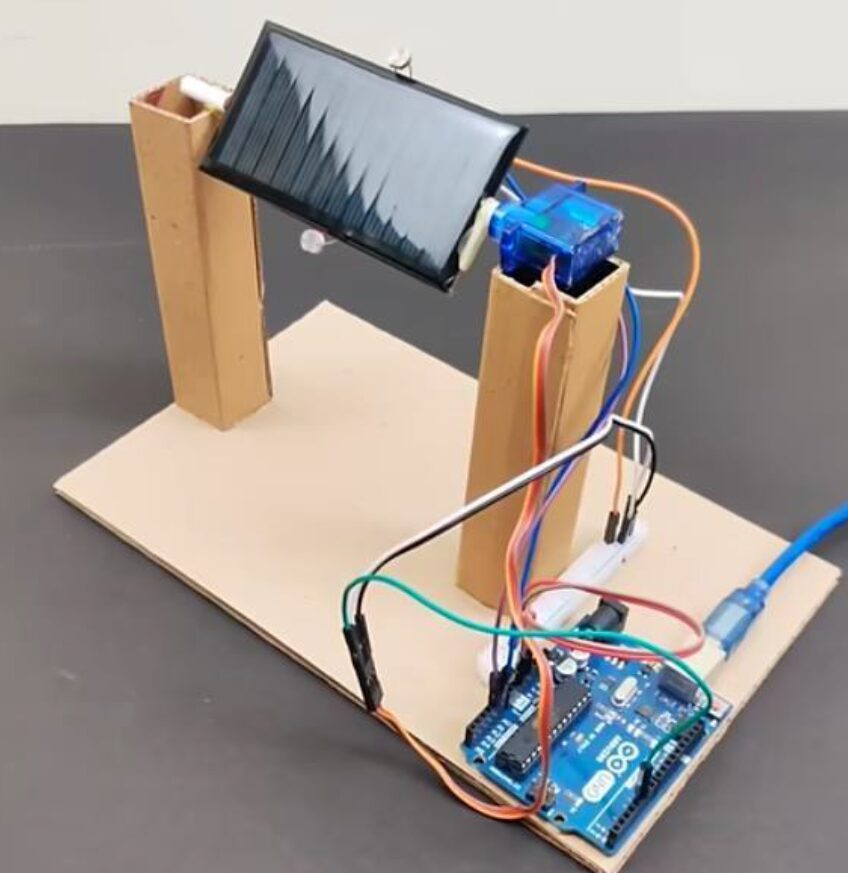
At Superkitz, we focus on Energy, Power, and Electrical Systems that drive modern infrastructure, automation, and sustainable development. From power generation and control to efficient energy management, these systems are essential for industries, homes, and smart technologies.
Our approach is centered on practical learning and real-world applications, enabling students, developers, and innovators to understand how electrical energy is generated, distributed, controlled, and optimized. By combining theory with hands-on projects, we make complex electrical concepts easier to grasp and apply in meaningful ways.
- Energy Systems involve the generation of power from various sources such as solar, wind, thermal, and hydro.
- Power Systems focus on the transmission and distribution of electricity from power plants to consumers.
- Electrical Systems deal with the design, control, and application of electrical circuits and devices.
Together, these domains form the backbone of modern civilization, ensuring reliable and efficient energy flow for everyday use.
In today’s world, energy plays a critical role in economic growth and technological advancement. Traditional power systems are now being complemented by renewable energy solutions to reduce environmental impact and ensure sustainability. At Superkitz, we explore how solar panels, wind turbines, and energy storage systems can be integrated into smart applications, helping learners understand the transition toward green energy.
Power distribution is another key area of focus. Electricity must be delivered safely and efficiently from generation stations to homes and industries. This involves transformers, transmission lines, substations, and protective systems. Understanding how these components work together helps learners design systems that minimize energy loss and maintain stability in the grid.
Electrical systems are at the core of all electronic and automation projects. From simple circuits to complex control systems, they enable devices to function effectively. At Superkitz, we guide learners through the fundamentals of circuit design, including voltage, current, resistance, and power calculations, as well as advanced topics like motor control, power electronics, and automation.
One of the most important aspects of modern electrical engineering is energy efficiency. With increasing demand for electricity, optimizing energy usage has become essential. Smart energy management systems can monitor consumption, reduce wastage, and improve overall efficiency. For example, automated lighting systems can adjust brightness based on ambient conditions, while smart meters provide real-time insights into energy usage.
Another significant area is power electronics, which deals with the conversion and control of electrical power using devices such as inverters, converters, and regulators. These systems are widely used in renewable energy applications, electric vehicles, and industrial automation. By learning about power electronics, students can build systems that efficiently convert energy from one form to another.
Safety is also a critical consideration in electrical systems. Proper insulation, grounding, circuit protection, and fault detection are essential to prevent accidents and ensure reliable operation. At Superkitz, we emphasize safe design practices and introduce protective devices such as circuit breakers, fuses, and surge protectors.
The integration of electrical systems with automation and smart technologies is transforming the way we use energy. Smart grids, for instance, use advanced monitoring and communication technologies to optimize electricity distribution and improve reliability. Similarly, home automation systems allow users to control appliances remotely, enhancing convenience and efficiency.
Hands-on projects play a vital role in mastering these concepts. At Superkitz, learners can work on projects such as solar power systems, battery management systems, automatic power factor correction units, and smart energy monitoring devices. These projects not only reinforce theoretical knowledge but also provide practical skills that are highly valuable in the industry.
As the world moves toward electrification and sustainable energy solutions, the importance of understanding Energy, Power, and Electrical Systems continues to grow. These technologies are fundamental to innovations in renewable energy, electric transportation, and smart infrastructure.
In conclusion, Energy, Power, and Electrical Systems are the driving force behind modern technology and sustainable development. By learning how to generate, manage, and optimize electrical energy, individuals can contribute to building a more efficient and environmentally friendly future. At Superkitz, we are committed to making these essential technologies accessible, practical, and inspiring for everyone who wants to learn and innovate.