Smart Home & Automation Systems is what we offer at Superkitz. They make our daily life easier and safer by providing us with all the conveniences of automation in our homes. This can be achieved thanks to such factors as electronics, IoT, sensors, and smart control.
Our solutions emphasize practicality, reliability, and ease of use—making smart living accessible to learners, innovators, and real-world applications.
Smart home systems use embedded controllers, sensors, and communication technologies to automate household functions such as lighting, security, climate control, and energy management.
Automation can be controlled through mobile apps, voice commands, sensors, or scheduled programs, creating a connected and intelligent living environment.
In today’s fast-paced world, smart home technology is transforming how people interact with their living spaces. Instead of manually operating devices, users can now automate daily tasks and manage their homes with just a few taps on a smartphone or simple voice commands. At Superkitz, we explore how these technologies can be implemented in practical and affordable ways, enabling anyone to build their own smart home solutions.
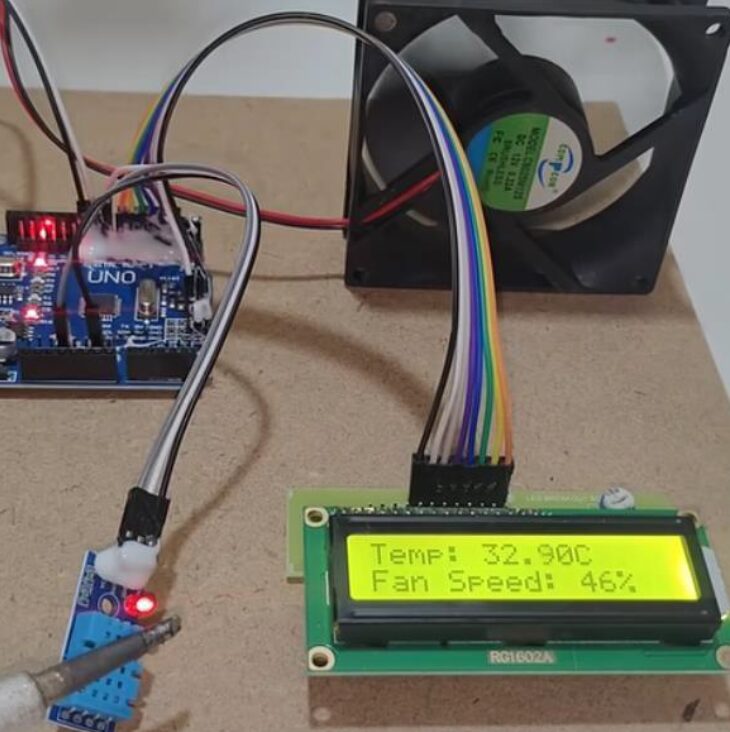
One of the key advantages of smart home systems is convenience. Imagine lights that turn on automatically when you enter a room, or a fan that adjusts its speed based on temperature. These systems reduce the need for constant manual control, making everyday life more comfortable. Voice assistants and mobile applications further simplify interaction, allowing users to control multiple devices from a single interface.
Energy efficiency is yet another advantage offered by intelligent buildings. The monitoring system will help in optimizing the use of energy so as to avoid wastage of electricity. This can be achieved by ensuring that the automatic lighting is turned off when there is no one around, and similarly with climate control.
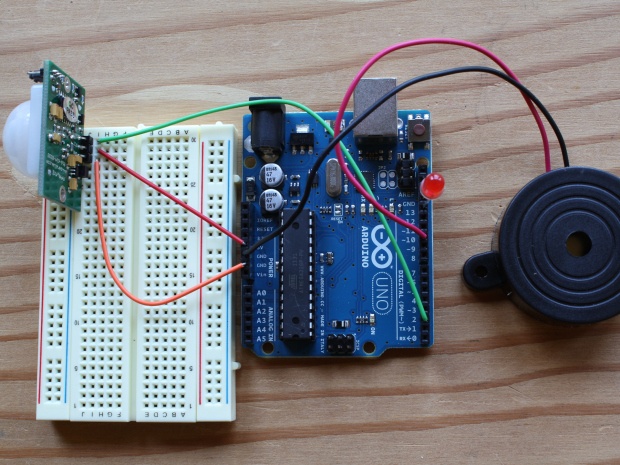
Safety and security are also enhanced through smart home automation. Integrated systems can include smart locks, motion sensors, surveillance cameras, and fire detection systems. These devices work together to provide real-time alerts and remote monitoring. For instance, if unusual activity is detected, the system can notify the homeowner instantly, allowing quick action to be taken.
At the core of these systems are embedded controllers such as microcontrollers and single-board computers. These devices process inputs from sensors and execute commands to control appliances. Sensors play a vital role by detecting environmental conditions such as temperature, light intensity, motion, and humidity. Based on this data, the system can make intelligent decisions automatically.
Communication technologies like Wi-Fi, Bluetooth, and cloud platforms enable seamless connectivity between devices. This allows users to access and control their home systems from anywhere in the world. IoT integration ensures that all devices work together as a unified system, creating a truly connected home environment.
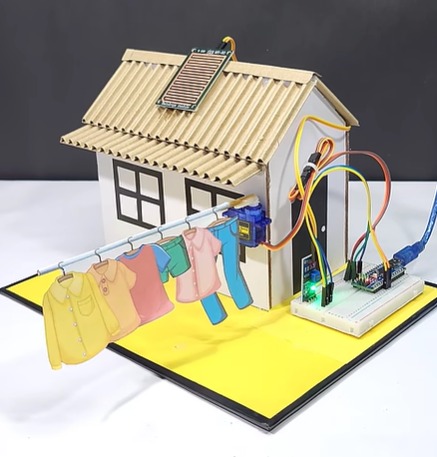
At Superkitz, we emphasize hands-on learning through practical projects. Learners can build systems such as smart lighting controls, automated door locks, voice-controlled appliances, and IoT-based home monitoring systems. These projects provide valuable experience in integrating hardware and software to create functional solutions.
Another important aspect of smart home systems is customization. Every home has different needs, and automation systems can be tailored accordingly. Users can set schedules, define rules, and create personalized automation scenarios. For example, a “morning routine” can automatically turn on lights, start appliances, and adjust room temperature at a specific time.
Reliability and ease of use are critical for successful implementation. Systems should be designed to operate smoothly without frequent maintenance. User interfaces must be simple and intuitive so that people of all ages can use them comfortably. At Superkitz, we focus on designing solutions that balance advanced functionality with user-friendly operation.
The future of smart homes is becoming even more exciting with the integration of artificial intelligence. AI-powered systems can learn user behavior and adapt automatically, creating a more personalized experience. For example, a smart system can learn your daily routine and adjust lighting and temperature settings accordingly without manual input.
In conclusion, Smart Home & Automation Systems are redefining modern living by making homes more comfortable, secure, and energy-efficient. By combining electronics, IoT, and intelligent control, these systems create environments that respond to user needs automatically. At Superkitz, we are committed to making smart home technology simple, practical, and accessible—empowering learners to build innovative solutions for the homes of the future.